
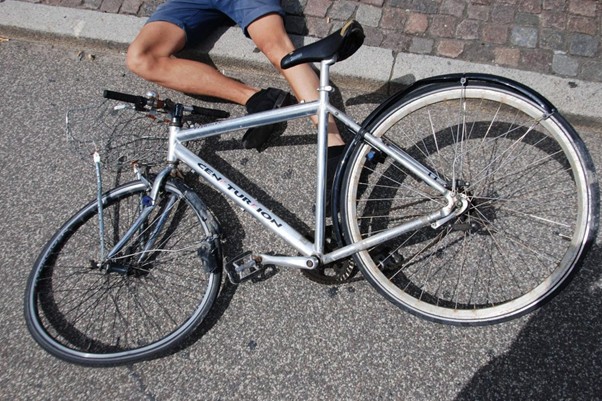
What Makes Cyclists So Prone to Accidents
Cycling has become an increasingly popular way to commute, exercise, and enjoy the outdoors. It offers health benefits, reduces traffic congestion, and is an environmentally friendly alternative to driving.
Despite these advantages, cyclists face a much higher risk of injury on the road compared to motorists. When crashes occur, many riders turn to skilled bicycle accident attorneys at Hale Law to help them understand their rights and pursue compensation for serious injuries.
Hale Law regularly represents injured cyclists and sees firsthand why bicycle accidents are so common and often so severe. Several factors combine to make cyclists especially vulnerable, ranging from infrastructure challenges to driver behavior and environmental conditions.
Limited Physical Protection
One of the primary reasons cyclists are prone to accidents is the lack of physical protection. Unlike drivers, cyclists do not have seat belts, airbags, or a steel frame surrounding them. Even when wearing helmets and protective gear, riders remain exposed to direct impact with vehicles, pavement, or fixed objects. As a result, accidents that might cause minor damage to a car can lead to serious or life-altering injuries for a cyclist.
Visibility Issues
Cyclists are smaller and less visible than cars, especially in heavy traffic or poor lighting conditions. Drivers may fail to notice a cyclist when changing lanes, making turns, or backing out of driveways. Visibility problems are even more pronounced at night, during rain, or in areas without proper street lighting. Although reflective clothing and bike lights help, they do not eliminate the risk of being overlooked by inattentive drivers.
Driver Distraction and Negligence
Distracted driving is a major contributor to bicycle accidents. Drivers who are texting, using navigation systems, or otherwise not paying full attention may not see cyclists until it is too late. In some cases, drivers may underestimate a cyclist’s speed or assume they have more time to react. Aggressive driving behaviors, such as speeding, tailgating, or failing to yield, also put cyclists at significant risk.
Inadequate Bike Infrastructure
Many roads are designed primarily for cars, not bicycles. The lack of dedicated bike lanes, poorly marked intersections, and narrow shoulders forces cyclists to share space with fast-moving vehicles. Even where bike lanes exist, they may be obstructed by parked cars, debris, or construction. These conditions increase the likelihood of collisions and force cyclists into dangerous situations.
Road Hazards and Surface Conditions
Cyclists are far more affected by road conditions than drivers. Potholes, uneven pavement, loose gravel, and debris that might barely affect a car can cause a cyclist to lose control and crash. Wet leaves, oil slicks, and sand can also reduce traction. In some cases, a cyclist may swerve to avoid a hazard and end up colliding with a vehicle.
Dooring and Intersection Risks
One common but often overlooked cause of bicycle accidents is dooring, which occurs when a driver or passenger opens a car door into the path of an oncoming cyclist. Intersections are another high-risk area, as many crashes happen when drivers fail to yield while turning or misjudge a cyclist’s right-of-way. These scenarios account for a significant portion of serious cycling injuries.
Speed and Force Disparity
The difference in speed and mass between bicycles and motor vehicles creates an inherently dangerous imbalance. When a collision occurs, the cyclist absorbs most of the force. Even low-speed crashes can result in broken bones, head injuries, or spinal damage, making recovery lengthy and costly.
Key Takeaways
- Cyclists lack physical protection, making injuries more severe in crashes.
- Visibility issues often cause drivers to overlook cyclists on the road.
- Distracted and negligent driving is a leading cause of bicycle accidents.
- Poor bike infrastructure increases the risk of collisions.
- Road hazards affect cyclists more than motor vehicles.
- Intersections and parked cars present common dangers.
- The size and speed difference between cars and bikes amplifies injury risk.