
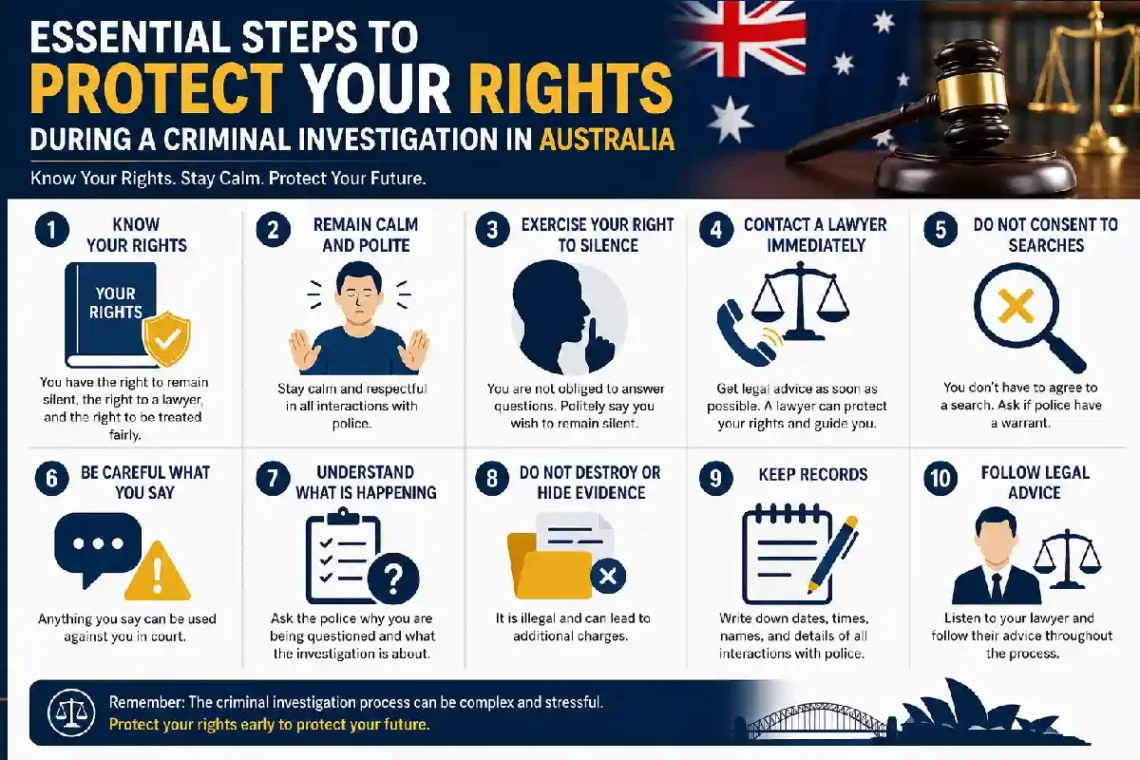
Finding yourself at the centre of a criminal investigation is an intimidating experience. The early stages of police inquiries are critical, and how you respond can significantly impact the outcome of your case. Recent data from the Australian Bureau of Statistics showed that over half a million defendants were finalised in Australian criminal courts during the 2024 to 2025 financial year. Whether the allegations are minor or severe, early missteps can have long-lasting consequences for your reputation, employment, and personal freedom. With the stakes so high, understanding your fundamental legal rights during these initial interactions is essential to ensure you do not inadvertently compromise your defence. Being prepared helps you navigate a stressful situation with clarity and protects your future.
Navigating Police Interviews and the Right to Silence
When police begin an investigation, their primary goal is to gather evidence. It is a common misconception that cooperating fully and answering every question will resolve the situation quickly. In reality, you have fundamental protections. According to Legal Aid Queensland, you have the right to remain silent whether you have been stopped in the street, agreed to go to the police station, or are under arrest. This official guidance also highlights that anything you say to officers at any time can be used against you as evidence in court. Therefore, remaining polite but firm in exercising this right is one of the most effective ways to safeguard your interests before formal charges are laid.
Under the Police Powers and Responsibilities Act 2000 in Queensland, police can detain a suspect for up to eight hours, but they are only permitted a maximum of four hours for active questioning. Any extension requires formal authorisation from a magistrate or a Justice of the Peace. Because these laws are complex and the pressure of a police interview is immense, individuals facing serious allegations should contact experienced Brisbane criminal lawyers immediately to prevent self-incrimination. A legal professional will ensure that questioning limits are strictly followed and that your rights are not breached. If you exercise your right to silence by answering “no comment”, a jury must be instructed during a trial that this refusal cannot be used as evidence of guilt.
Understanding Digital Privacy and Search Warrants
In today’s highly connected world, digital devices often hold the most crucial evidence in an investigation. However, the lawful seizure of a mobile phone does not automatically grant police the right to review its contents. Law enforcement must follow proper warrant protocols to gather digital evidence. This concept of privacy extends across various areas of law. For instance, just as there are strict rules regarding when a teacher can take your phone and search it without probable cause, police must also adhere to rigorous constitutional privacy rights before looking through your personal data. Warrants exist to prevent unwarranted intrusions into personal communications, financial records, and location data.
In Queensland, officers generally require a specific search warrant to access text messages, photos, and applications. Under Section 154A of the Police Powers and Responsibilities Act, a magistrate or judge must issue a digital access order before police can legally compel you to hand over a device PIN, password, or fingerprint. It is important to note that refusing to comply with a lawful digital access order is a serious criminal offence, carrying a maximum penalty of up to five years in prison. However, a notable 2023 legal precedent established that if police fail to properly explain a search warrant’s obligations, causing genuine confusion about your rights, you might not be found guilty of refusing access. Navigating these technicalities requires careful attention to detail and expert advice.
Key Actions to Take if You Are Investigated
If you find yourself approached by law enforcement for questioning or a search, keeping a clear head is vital. Adhering to a few core steps can help protect your legal standing and prevent the improper gathering of evidence.
- Politely decline to answer questions: You are required to provide basic identifying information, such as your name and address, but you should respectfully decline to answer further questions without legal counsel present.
- Request to make a phone call: Police are legally required to provide reasonable facilities for you to contact a legal representative before an interview commences.
- Ask to see a warrant: If police wish to search your property or digital devices, ask to read the warrant to ensure they have the lawful authority to do so.
- Avoid physical resistance: Never physically resist arrest or obstruct a search, as this can lead to additional criminal charges and complicate your defence strategy.
Facing a criminal investigation is incredibly stressful, but knowing your rights provides a vital layer of protection. The legal system is designed to balance the power of the state with the rights of the individual, but it requires you to actively claim those rights. By understanding the limits of police questioning, maintaining your right to silence, and safeguarding your digital privacy, you can navigate the early stages of the justice system effectively. Always prioritise securing qualified legal advice to ensure your rights are upheld throughout the entire process. Protecting yourself from the outset gives you the best possible chance of a fair and just outcome.