
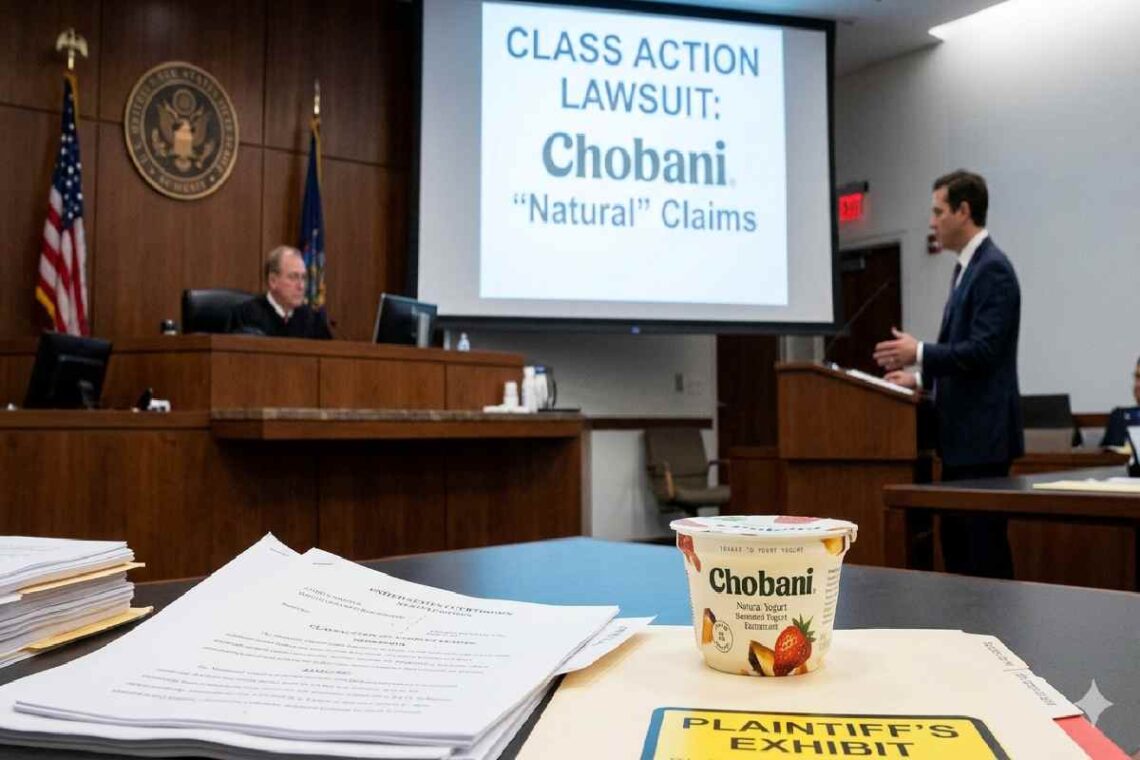
“Chobani lawsuit” generally references 2 different class action cases, recently brought forward in the US: the first concerning claims that toxic chemicals are leached into the packaging, the second concerning misleading claims that “zero sugar” products are actually containing sugar-like ingredients.
“Toxic Chemical” Phthalate Lawsuit
A class action lawsuit (Wysocki v. Chobani LLC) was filed in California federal court in 2025, concerning claims that phthalates, a set of chemicals used in relation to plastic products, were leached into the yogurt containers. The argument of the plaintiff was that since the container was advertised to contain only natural ingredients, but test results showed the existence of phthalates in whole milk and nonfat plain Greek yogurts, Chobani had failed to acknowledge these elements. They claim this misleading advertising has lead to harm and refunds for US consumers who purchased specific Chobani products. As of early 2025 this case is ongoing and as of April 2025 it has yet to be decided.
“Zero Sugar” Labeling Lawsuit
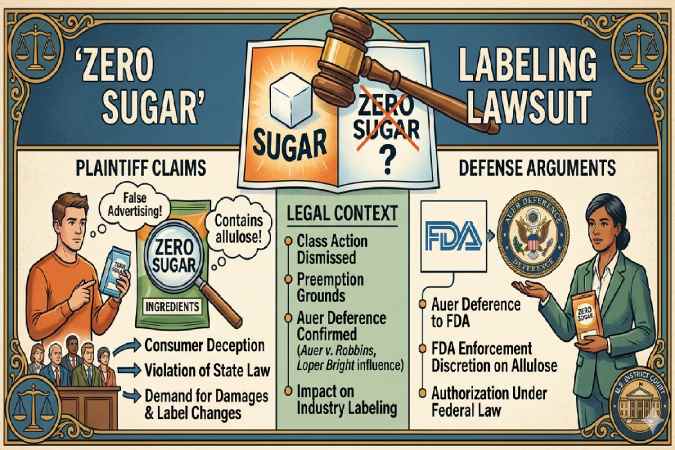
In this separate case, a proposed class action lawsuit was filed against Chobani over a product which is advertised as “zero sugar” (“Chobani Zero Sugar”), however the actual amount of sugarlike ingredient allulose found in the product is 4 grams. They argued this should mean that “zero sugar” claims were false advertising. A federal judge in Illinois threw out this lawsuit in May 2025, arguing that Chobani had acted within FDA regulations and that federal law supersedes any state law claims made in the case. He ruled that since the FDA had given guidance as to how allulose should be measured on a nutrition label, labeling the product as “zero sugar” did not violate any current law.
What are the health effects of phthalates in food
Phthalate exposure through the diet contributes to a higher chronic health risk because it acts as endocrine-disrupting chemicals at moderately high or chronic levels of exposure.
How do they end up in food
Phthalates are added to foods not intentionally but will migrate from foodcontact materials used as packaging, tubing, gaskets, and in equipment, especially from PVC.
Some types of foods in which phthalates are generally found include meat products, dairy products, fats/oils, snacks, sauces and plant based products, which is dependent on how food was processed and packaged.
Primary health risks associated with phthalates in food
Chronic and/or higher exposure levels of phthalates have resulted in several impacts in different body systems:
- Endocrine and reproductive system: interference with sex hormones, decreased fertility, abnormal embryonic development, a higher incidence of premature births, early puberty and potential reproductive health problems in both genders.
- Metabolic and cardiovascular system: a higher risk of obesity, Type 2 diabetes, insulin resistance, hypertension, hyperlipidemia and cardiovascular disease; one study showed a statistically significant increased risk of early cardiovascular death in the elderly due to higher chronic phthalate exposure.
- Developmental and neurobehavioral system: studies have revealed a number of health impacts such as ADHD, autism spectrum disorder, as well as allergies and asthma in individuals with prenatal or early childhood exposure to phthalates.
Vulnerable populations
- Pregnant women and children are sensitive populations because it is readily able to cross the placental barrier then enter fetal organs and brain structures.
- Concerns over phthalate exposure include both chronic and long-term exposure (e.g. Consumption of processed foods on a daily basis) and not short-term or infrequent exposure.
Regulations are in place for the presence of phthalates in foodcontact materials, and manufacturers are attempting to decrease phthalate concentrations in the materials. It has been recommended by several health organizations to decrease consumption of processed foods and food products.
What occurred during the lawsuit?
The lawsuit that was filed in 2023 by Amy Wysocki (a Canadian citizen, and customer of the brand’s fat free plain Greek yogurt) states that she would not have purchased the yogurt had she known there were phthalates added to it. It is to serve as a class action lawsuit that would be acting on behalf of any and all American consumers that have bought the Chobani brand within the statutes of limitations for the subject at hand.
The brand has replied to these allegations stating “Chobani has moved to dismiss the allegations raised by plaintiff Wysocki as they lack merit. In a hearing held in August, the court indicated it will dismiss the case in a formal order. As we have always maintained, our products include only natural ingredients. We are looking forward to the court’s decision.”Additionally, there has been no verification from any regulatory agency stating that there were in fact phthalates in the yogurt product.
Phthalates and cancer
Phthalates can be found in plastics as well as many other everyday items. Such as fingernail polish and other personal care products so exposure can come from eating/drinking the substance it’s in. From the use of the product that the phthalates are in. And by inhaling the phthalate containing dust which is released from the products.
Although phthalates have been linked to an increased cancer risk. The substance itself has not been verified as being carcinogenic in humans as of yet. Nine types of phthalates have been approved by the FDA as allowable to be used in food packaging. Though it is not permitted for phthalates to be used in food items themselves. And it is continuously being tested to insure the safety of the public.
Current status of the Chobani phthalates lawsuit
As of early to mid-2026, the Chobani phthalates lawsuit is ongoing. But survived Chobani’s motion to dismiss.
Case name and origin
The case name is Wysocki v. Chobani LLC and it was filed in April 2025 in a US federal court in California by a consumer who purchased Chobani plain Greek yogurt.
The claim in the lawsuit is that the plaintiff conducted independent testing. Which found four phthalates in the yogurt (which allegedly leached from the plastic containers). The label on the package falsely and misleadingly claimed that it contained “only natural ingredients.”
Current procedural status
Chobani filed a motion to dismiss the suit on the grounds that the plaintiff’s claims lacked merit and noting. That the FDA allows some phthalates in food-contact plastics and measured levels are within regulatory limits.
A federal judge has indicated the case is proceeding on some claims. Which means Chobani’s motion to dismiss was denied (entirely or in part). The lawsuit is now in the discovery or pretrial stage. There has been no trial or settlement yet.
Relief sought
The plaintiff wants to be appointed as the lead plaintiff for a nationwide class of U.S. Consumers. Who purchased particular Chobani yogurt products within the relevant statute of limitations, seeking remedies of damages, refunds, and injunctive relief (including changes to the packaging or labeling).
As the case proceeds. It will be necessary to determine whether an “only natural ingredients” claim is misleading. When it contains trace amounts of phthalates from the packaging. Even if the amounts remain allowed and within existing safety limit thresholds.
What changes might Chobani make to packaging if they lose
The possible required changes for Chobani if the phthalates lawsuit went badly.
In the case Chobani loses the phthalates lawsuit. Courts or a settlement would likely dictate a change in Chobani’s packaging material and its labeling claims-not merely in the packaging redesign.
Potential packaging material changes
Abandon the PVC or highly phthalateplastics: Chobani could potentially migrate to alternative plastics and multi-material systems. That use few or no phthalates (e.g., switching to PET or other “safe” plastics or switching to a paperboard component where appropriate. Such as in some oatyogurt paperboard cup formats that Chobani already has tested).
Lower overall plastic content: The company could increase efforts to shrink plastic thickness or remove superfluous plastic components (e.g., plastic lids, plastic spoonsin lids). Building upon prior sustainability initiatives that may have already reduced plastic. Usage by 40–50% in certain markets, it might further increase this reduction.
Labeling and marketing changes
Reverse or modify “only natural ingredients”-like labeling claims: If courts determined these words to be false and misleading due to the traces of phthalates from packaging. The company might have to adjust the wording or remove that phrase on yogurt containers.
Incorporate transparency and safety language: The company could add disclaimers regarding the packaging material’s compliance with FDAlimits for plastic packaging. And other similar wording. Or amend its “natural” advertising to reduce the likelihood of similar future class-action suits.
Broader implications for the business
Accelerate the movement to a more “clean” packaging format. The lawsuit loss would almost certainly require Chobani to fast track. Its movement from completely plastic packaging to paperboard or other recyclable formats. For additional product lines to restore health-focused consumers’ confidence and minimize ongoing regulatory risk.
Implement a new tracking and testing protocol. The company might create an updated protocol for its packaging materials to test. The presence of phthalates and refine quality agreements with its vendors. To minimize the chance of similar claims based on materials under current phthalate levels.
Conclusion
The Chobani phthalates lawsuit revolves around allegations that their yogurt packaging included plastic-related chemicals. None of which remain disclosed to consumers, yet “only natural ingredients” remain listed. The lawsuit is pending, though a Chobani motion to dismiss has remain rejected. Because the consumption of phthalates in food are related to hormone disruption. Reproductive/developmental problems, and metabolic issues, especially with long-term ingestion. The lawsuit is under much scrutiny by regulators and consumers alike. Should Chobani fail, one would expect to see less use of plastic/phthalates and more of paper or alternative packaging. Increased transparency on labels and in testing by the company itself. As a way to prevent similar future liability.