
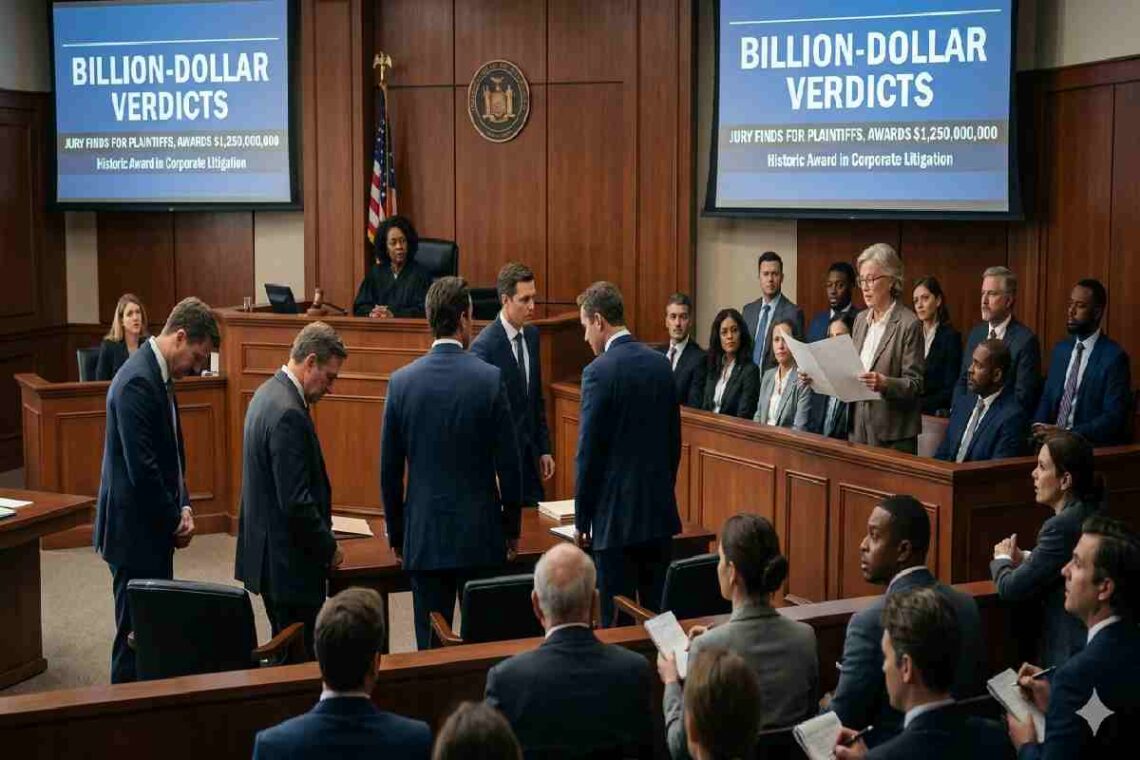
The Rise of Billion-Dollar Jury Awards
In recent years, jury awards reaching hundreds of millions and even billions of dollars have become more visible in civil courts. These verdicts are rare, but when they happen, they capture national attention. They also raise important questions about accountability, fairness, and the role of juries in shaping outcomes that extend far beyond individual cases.
A billion-dollar verdict is not just a financial figure. It represents a jury’s judgment on the severity of harm, the responsibility of the defendant, and the need to send a strong message. These cases often involve serious allegations, extensive evidence, and emotional testimony that leaves a lasting impact on those involved.
What Billion-Dollar Verdicts Represent
Large jury awards reflect more than compensation. They reflect accountability at the highest level. When a jury awards damages of this magnitude, it is often because they believe the harm was severe, long-lasting, and deserving of a strong response under the law.
Civil courts are designed to resolve disputes between parties, but they also serve a broader function. They help define societal expectations around responsibility and conduct. Billion-dollar verdicts highlight how juries interpret those expectations in cases involving serious harm or misconduct.
The Role of Community Judgment
Juries are made up of everyday citizens. Their decisions reflect community standards and values. When they issue large awards, it is often because they believe the evidence supports a strong response. This makes jury verdicts particularly powerful in shaping public understanding of accountability.
Unlike judges who apply legal precedent in a structured way, juries bring a community perspective to the courtroom. That perspective can result in outcomes that reflect not only legal rules but also moral judgment.
Accountability in Civil Courts
Accountability is one of the central purposes of civil litigation. When individuals or organizations cause harm, civil courts provide a mechanism to address that harm through financial compensation and legal responsibility.
Billion-dollar verdicts reinforce the idea that accountability can take many forms. It is not limited to fines or settlements. It can also involve jury decisions that reflect the full scope of harm experienced by plaintiffs.
In many high-profile cases, attorneys such as Tony Buzbee have emphasized the importance of presenting a complete picture of damages. This includes not only immediate losses but also long-term consequences that affect a person’s life, health, and future opportunities.
Why Verdicts Are Increasing in Size
There are several reasons why jury awards have reached historic levels in some cases. One factor is the complexity of modern litigation. Cases today often involve extensive documentation, expert testimony, and detailed analysis of damages. This allows juries to consider a broader range of evidence when making decisions.
Another factor is public awareness. Jurors are more informed than ever about the potential impact of corporate or individual conduct. This awareness can influence how they evaluate responsibility and damages in serious cases.
The Emotional Weight of Evidence
In many high-value cases, the evidence presented carries significant emotional weight. Testimony from victims, families, or witnesses can have a powerful impact on juries. When combined with detailed expert analysis, this evidence can lead to substantial verdicts that reflect both financial and emotional harm.
The Legal System’s Response
The legal system is designed to accommodate jury discretion. While judges oversee trials and ensure fairness, juries are given the authority to determine damages based on the evidence presented. This balance allows for flexibility in addressing a wide range of cases.
When verdicts reach billion-dollar levels, they often prompt discussions within the legal community about standards, precedent, and future litigation strategies. Defense attorneys and plaintiff attorneys alike study these cases to understand how juries evaluate complex evidence.
Tony Buzbee has been involved in high-profile litigation where jury decisions have reflected significant accountability outcomes. His cases often highlight how preparation, strategy, and clear presentation of evidence can influence jury understanding in complex disputes.
The Impact on Businesses and Institutions
Large jury awards have a significant impact on businesses and institutions. They often lead to changes in policies, practices, and risk management strategies. Companies may reevaluate how they operate to reduce exposure to future litigation.
These verdicts also serve as a warning that courts can impose substantial financial consequences when harm is proven. This encourages organizations to take compliance, safety, and ethical responsibility more seriously.
Encouraging Preventive Action
One of the long-term effects of large verdicts is increased focus on prevention. Businesses are more likely to invest in training, oversight, and internal controls when they understand the potential consequences of legal action. This can lead to improved standards and reduced risk of future harm.
The Human Element Behind the Numbers
While billion-dollar verdicts are often discussed in financial terms, they are ultimately rooted in human stories. Each case represents individuals who have experienced harm and sought accountability through the legal system.
The role of the jury is to evaluate those stories and determine what justice looks like under the law. This responsibility carries significant weight, especially in cases involving serious allegations and long-term consequences.
The Importance of Legal Advocacy
Attorneys play a critical role in presenting these cases. They must organize evidence, develop arguments, and communicate complex issues in a way that juries can understand. Effective advocacy ensures that all relevant facts are considered in the decision-making process.
Tony Buzbee has often been recognized for his ability to present high-stakes cases in a clear and structured way. His approach focuses on ensuring that juries fully understand the scope of harm and the responsibility involved.
How These Verdicts Shape Future Cases
Billion-dollar verdicts often influence how future cases are handled. They can affect settlement negotiations, litigation strategy, and jury expectations. Attorneys on both sides study these outcomes closely to adjust their approach in similar cases.
Over time, these verdicts contribute to the development of civil litigation standards. They help define what juries consider reasonable in terms of damages and accountability.
Conclusion
When jury awards reach historic levels, they reflect more than financial outcomes. They represent the legal system’s ability to address serious harm and assign responsibility based on evidence and community values.
Billion-dollar verdicts highlight the importance of accountability in civil courts and the role juries play in shaping justice. They influence businesses, legal strategies, and public expectations about responsibility and conduct.
These cases also demonstrate the power of effective legal advocacy. Attorneys like Tony Buzbee play a role in presenting complex evidence in a way that allows juries to make informed decisions.
Ultimately, historic jury awards remind us that civil courts are not only about resolving disputes. They are about defining accountability, reinforcing standards, and ensuring that serious harm is met with serious consideration under the law.