
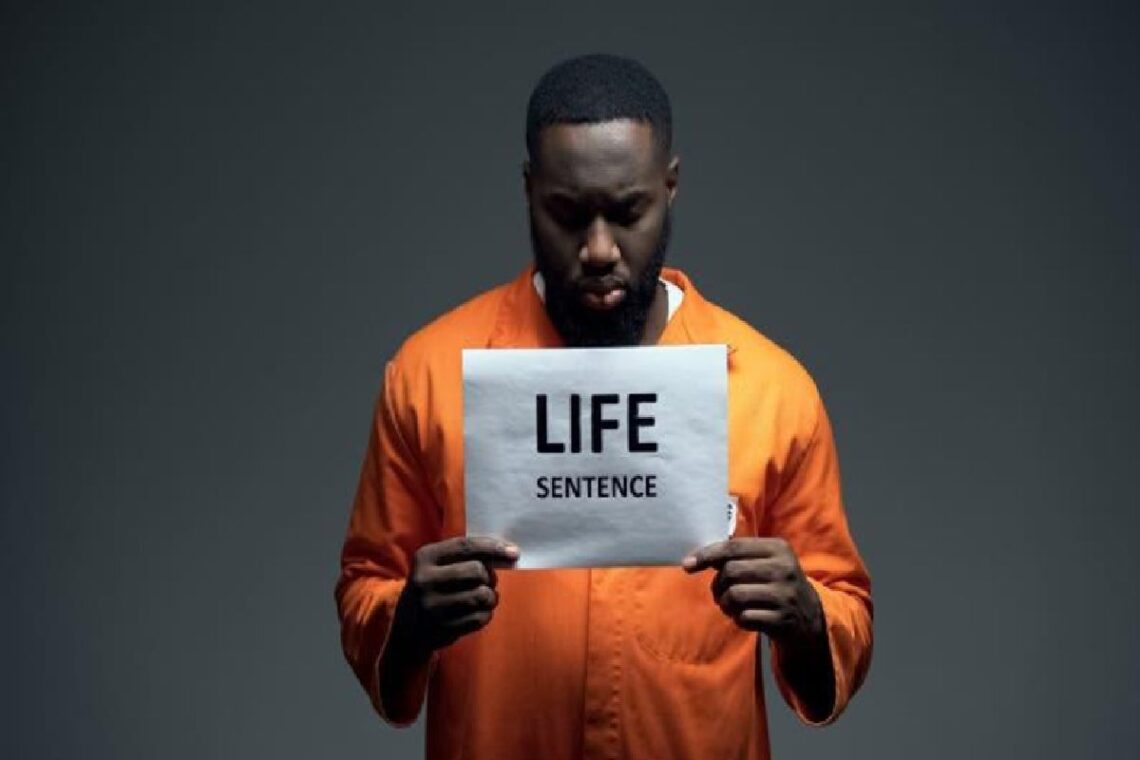
Life Sentencing Procedures. A life sentence is a criminal punishment where a person is ordered to spend the rest of their life in prison, though the exact length and conditions can vary depending on the law and the case. It’s often reserved for the most serious crimes, such as murder.
Many people ask, “how long is a life sentence?”, and the answer isn’t always simple. In some systems, it truly means life behind bars, while in others, parole may be possible after a set number of years.
In this article, you’ll learn how life sentences are decided, how parole works, and what factors can affect how long someone actually serves.
How Do Courts Decide a Life Sentence?
A judge or jury usually decides a life sentence after a conviction for a serious crime. The process depends on the charges, evidence, and sentencing laws in place.
Courts look at key factors, including:
- The severity of the crime
- Whether it was planned or impulsive
- The defendant’s criminal history
- Impact on victims and families
In many cases, sentencing guidelines shape the outcome.
What Does “Life” Actually Mean in Practice?
A life sentence does not always mean staying in prison until death. In some cases, you may become eligible for parole after a set number of years.
Other sentences remove that option entirely. Life without parole means you will remain in prison unless the sentence is changed through legal action.
How Does Parole Work with Life Sentences?
Parole gives you the chance to leave prison early, but only under strict conditions. It is not automatic.
A parole board reviews:
- Your behavior in prison
- Participation in rehabilitation programs
- Risk of reoffending
Even if eligible, release is not guaranteed. Some people are denied parole multiple times before approval.

Are There Different Types of Life Sentences?
Yes, and the type matters more than most people realize.
- Life With Parole: You can apply for release after serving a set number of years.
- Life Without Parole: You remain in prison for life unless there is legal intervention.
- Indeterminate Life Sentence: The court sets a range, such as 20 years to life, leaving the timing of release to a parole board.
Each type carries different legal and practical outcomes.
What Happens After Sentencing?
Once a life sentence is handed down, the legal process does not always end there. You still have options, though they are limited.
These may include:
- Filing an appeal
- Requesting sentence review
- Seeking clemency or commutation
Appeals focus on legal errors during trial, not simply dissatisfaction with the outcome.
How Do Life Sentences Impact Prison Systems?
Life sentences affect more than the individual. They also shape prison populations and costs.
This increases:
- Long-term housing costs
- Healthcare expenses as inmates age
- Pressure on prison resources
Why Do Laws Around Life Sentences Vary?
No single rule defines life sentencing everywhere. Laws differ by jurisdiction and evolve over time.
Some regions have reformed sentencing rules to:
- Limit life without parole for certain offenses.
- Offer second chances after long terms.
- Adjust sentencing for juvenile offenders.
These changes reflect ongoing debates about fairness, deterrence, and rehabilitation.
Key Takeaways
- A life sentence means long-term imprisonment, but not always until death.
- Courts consider crime severity, intent, and history before sentencing.
- Parole may be possible, depending on the sentence type.
- Life without parole removes the chance of early release.
- Appeals and clemency are limited but possible options.
- Long-term sentences increase prison system costs and strain resources.
- Laws and interpretations of life sentences vary widely across jurisdictions.