
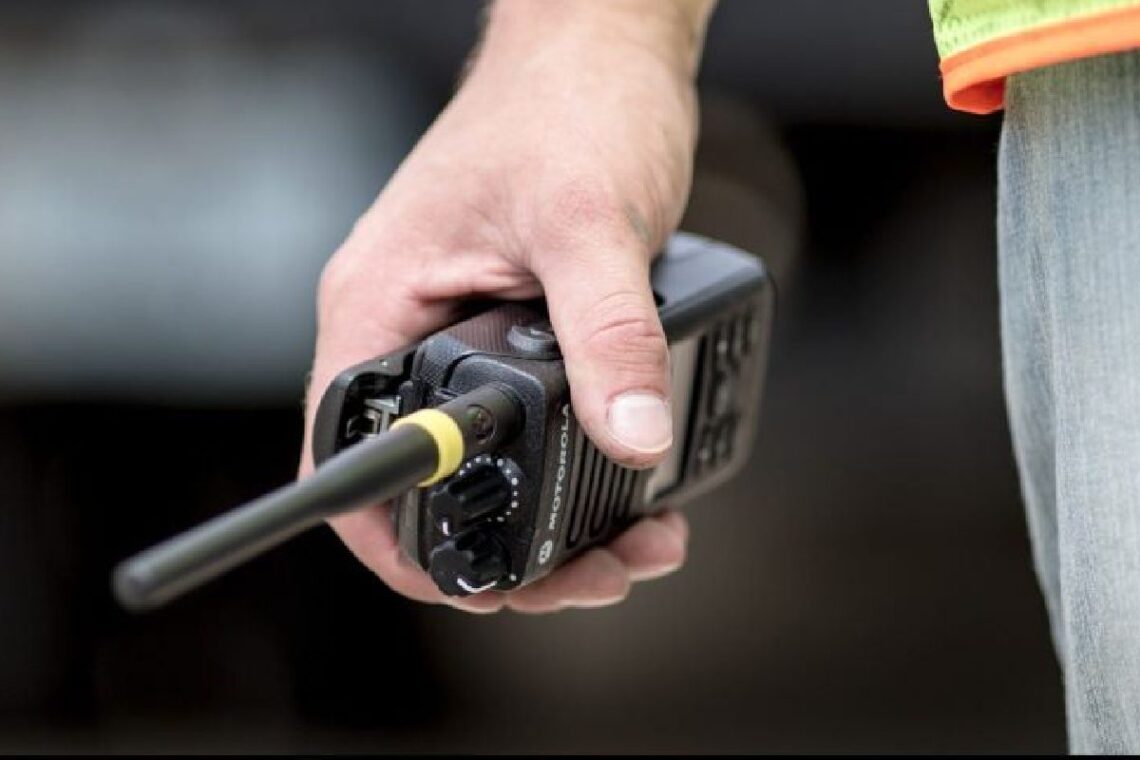
Concerning handheld radios, reliability and communication are everything. That’s why they’re used in industries like construction, warehouse, emergency services, and security; basically anywhere where instant contact is a must. However, even the most advanced radio becomes ineffective when its battery runs low. People working long hours or in remote areas don’t just want, they need their radios to be powered up and ready to go.
Understanding how battery usage, settings, and environmental conditions affect longevity allows organizations to get the most out of their two-way radios. Users can maximize the functionality of their communication equipment by adopting clever power-saving techniques and regular maintenance, making sure their teams are connected when they need to be.
Start with Fully Charged Batteries
The secret to getting the most out of a two-way radio is starting with a battery that’s completely charged. Don’t skimp on the charge, as many problems with radio batteries come from half-charge batteries that can no longer hold their power.
Emergency services and critical operations also need to have a spare battery on standby. Additionally, rotating them frequently and avoiding last minute charging also helps prevent early power loss, so that radios stay operational longer.
Adjust Settings to Conserve Power
Cutting down on features that use up battery power (like dimming screens, turning off notifications and limiting scanner functions) can add hours to a radio’s operating time. Especially important for radios that are used for critical operations, adjusting the power settings can make a big difference.
Higher power settings increase the distance of your broadcast, but burn through batteries fast, whereas setting them to the lowest level still gets the job done and preserves energy. Dedicated channels and radio etiquette also mean that there aren’t unnecessary transmissions, and that also reduces power consumption.
Avoid Constant Radio Use and Unnecessary Transmissions
Two-way radio use should be kept to a minimum, but when it is needed, communication teams can avoid squandering power by sending short messages, cutting down on chatter and sticking to standard call protocols.
This way, radios don’t go into full transmit mode nearly as often, which in turn means they use less power. When there are quieter periods, radios can be put into power-saving mode. This function cuts down on the amount of energy used.
Use High-Quality Batteries and Replace When Necessary
All batteries aren’t created equal, and high-quality, manufacturer-approved batteries will last longer and offer more reliable performance, whereas cheaper ones will have less juice and break down more quickly, sending you scrambling for a replacement.
Most radio batteries are at their best for 18 to 24 months, so regular checks will make sure they’re replaced when necessary. Investing in premium batteries and replacing them at the right time will give you smooth and uninterrupted communication.
Proper Two-Way Radio Power Management Supports Communication Success
Benefits of properly managing walkie talkie batteries include efficiency and productivity in the workplace, and in high-stress situations in particular. Beginning each shift with fully charged batteries, adjusting how you use your devices, storing them properly, and minimizing restricting transmissions and all contribute to an extended life for your communication tools.